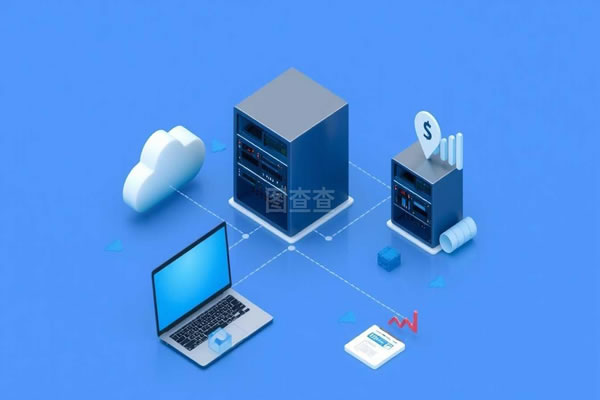
Question One: What is a high-defense server in the United States?
U.S. high-defense servers refer to servers located within the United States that specifically provide network protection capabilities. They are typically equipped with powerful firewalls, traffic cleaning systems, and intrusion detection systems, designed to defend against various types of network attacks and ensure the stability and security of customers' websites and applications. Compared to regular servers, high-defense servers can effectively reduce the risk of DDoS attacks and ensure the normal operation of online services.
Question 2: How to evaluate the performance of high-defense servers in the United States?
Performance evaluation of high-defense servers in the United States mainly focuses on the following aspects:
1. Processing Capability: Evaluate the server's request processing speed by testing the CPU performance.
2. Memory Performance: The read and write speed and capacity of memory directly affect the server's ability to handle concurrent processing.
3. Bandwidth and latency: The size of the bandwidth and the level of network latency determine the efficiency of data transmission, affecting the user's access experience.
4. Resistance to Attacks: Simulate different types of network attacks to evaluate the server's performance under high-pressure conditions.
5. Stability: Performance changes of the server after long-term operation, such as downtime, etc.
Question Three: How is the user experience when using US high-defense servers?
Many users have reported a good experience when using US high-defense servers, mainly reflected in the following aspects:
1. Fast access speed: High-defense servers are typically connected to multiple CDN nodes, allowing users to experience faster loading speeds when accessing.
High security: High-defense servers provide strong security protection, making it less likely for users to be affected by network attacks during usage.
3. Technical Support: Most high-defense servers provide 24-hour technical support, allowing users to receive timely assistance when they encounter problems.
4. Flexibility: Users can choose servers with different configurations according to their actual needs to meet the requirements of businesses of different scales and types.
5. Good stability: The stability of high-defense servers is usually good, with rare occurrences of downtime or service interruptions.
Question Four: What are the application scenarios for high-defense servers in the United States?
U.S. high-defense servers are suitable for multiple scenarios, some of which are typical application scenarios:
1. E-commerce website: Due to high security requirements for transactions, using a high-defense server can effectively protect user data and payment information.
2. Online Games: Game servers require a stable network environment to prevent service interruptions caused by network attacks.
3. Financial Services: Banks, insurance companies and other financial institutions have strict requirements for data security, and high-defense servers can provide the necessary protection.
4. Social Media Platforms: Social platforms need to handle a large amount of user data and requests, and using high-defense servers can enhance security and performance.
5. Content Delivery Network (CDN): High-defense servers can be used in conjunction with CDN to improve the efficiency and security of content distribution.
Question Five: How to choose the right US high-defense server?
Choose the appropriate one High-defense server in the United States Several factors need to be considered:
1. Requirements Analysis: First clarify the requirements of your website or application, including traffic, data security, budget, etc.
2. Performance Evaluation: Select appropriate configurations based on actual requirements and evaluate performance metrics such as processing capability, bandwidth, memory, etc.
3. Safety Features: Consider the security protection measures of the server, including DDoS protection, intrusion detection, data backup, and other functions.
4. Quality of Service: Choose a service provider that offers high-quality technical support and after-sales service to ensure that any issues encountered during use can be resolved promptly.
5. User Reviews: Refer to other users' experiences and reviews to better understand the server's actual performance.
- Latest articles
- In Marketing And Data Scraping Scenarios, What Is The Most Appropriate Analysis Of Korean Native IP Proxies?
- Procurement References Korean Server Names, Quickly Filtering Brands From Supplier Catalogs
- Technical Implementation Detailed Steps For Binding And Routing Taiwan's Native Static Residential IPs
- Vietnam VPS Independent Server Long-term Maintenance Costs And Recommended Automated Operation And Maintenance Tools
- Optimization Suggestion: Storage Archiving And Resource Management Solution Under US VPS For Unlimited Content
- How To Purchase Gouyun Servers In Vietnam And Complete The Fast Launch Process
- How Is Japan's CN2 From An Operations And Maintenance Perspective? Recommendations For Handling Node And Routing Faults
- Hong Kong Cheap VPS Speed Review: Actual Bandwidth Peak And Stability Report
- Key Points Regarding Security Qualifications And Contract Terms For Companies That Can Choose Taiwanese Cloud Servers
- Frequently Asked Questions And Points To Note On Obtaining And Verifying IP Addresses For Google Servers In Korea
- Popular tags
-

How To Choose A Perfect International Server To Avoid Garbled Code Problems
learn how to choose a perfect international server, avoid garbled code problems, and ensure the stability and user experience of the website. -

The Importance Of High-defense Server Hat Cloud In Protection
to discuss the importance of high-defense server hat cloud in network protection and how to choose a suitable service provider, we recommend dexun telecommunications. -
Why Can’t I Watch Videos On Servers In The US? Key Points On Streaming Protocols And Player Settings
An in-depth explanation of why videos on American servers often fail to play, covering <b> Streaming protocol </b> (HLS/DASH/RTMP), <b> CDN </b> 、 <b> CORS </b> and <b> Player Configuration </b> Key practical repair points and compliance recommendations. An actionable checklist provided by experienced streaming engineers.